


The first five seconds inside a properly luxurious hotel lobby are almost never about the shape of the chairs. They are about the cool weight of a brass door handle, the faint give of a leather arm under a palm, the depth of lamplight absorbed by a plaster wall rather than thrown back off it. Luxury registers through touch before anything else registers at all. And yet the finish layer of a piece of furniture — months of hand sanding, lacquering, polishing, upholstering, patinating — is usually the last thing a buyer thinks about before committing. This is especially true online, where a screen erases exactly the qualities a maker has spent a career learning to refine. What follows is a closer look at why texture and material finish do the heavy work in luxury interiors, how to read them properly, and why digital commerce has made that literacy matter more, not less.
A Shape Can Be Copied in a Week. A Finish Cannot.
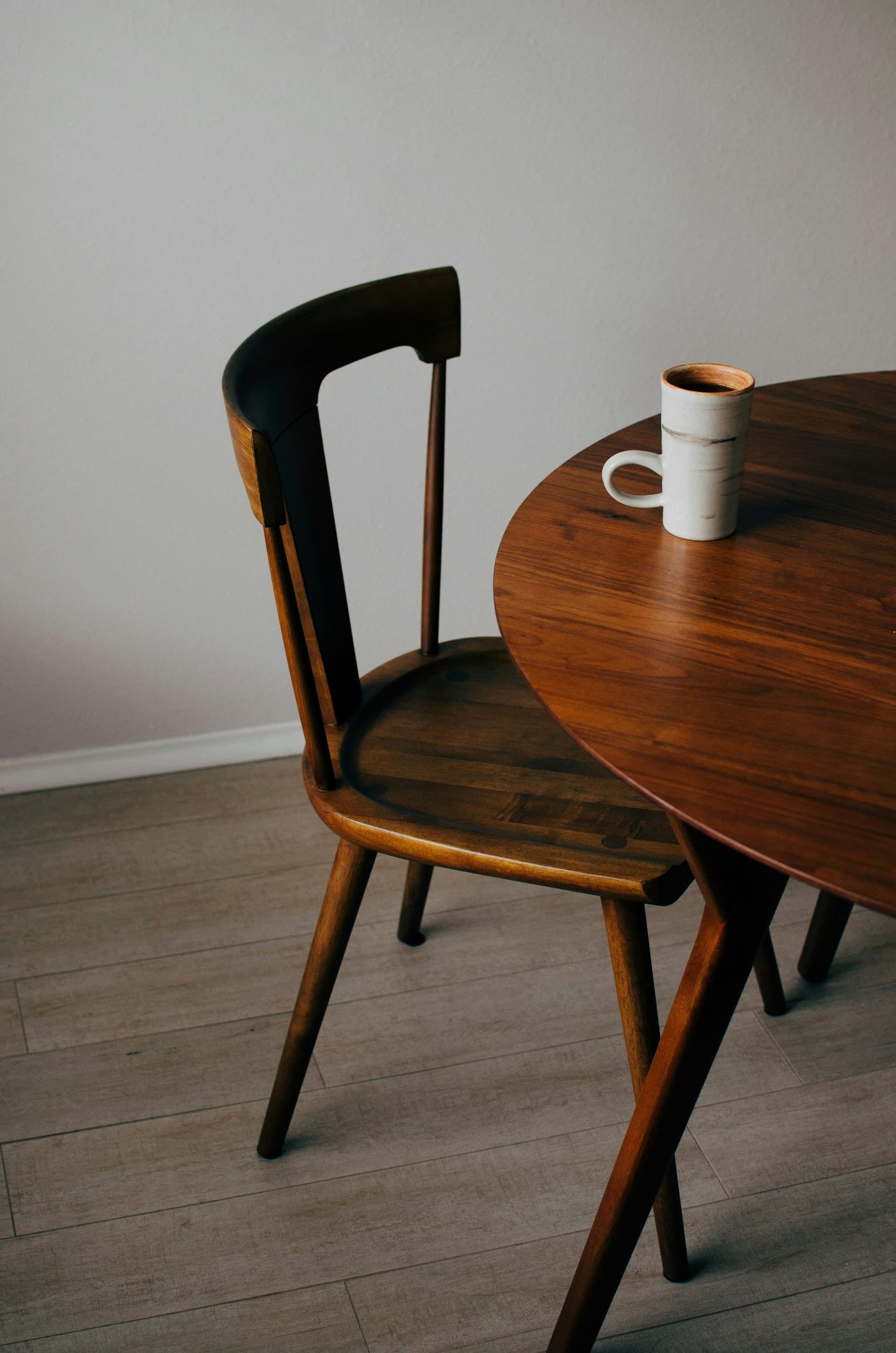
A shape can be copied in a week. A finish cannot be copied at all, only learned, and the learning takes decades. That is the part of the business that separates Europe’s serious ateliers from the high-street operations that rip off their silhouettes. You can measure a profile, reverse-engineer it, route it on a CNC machine in an afternoon. You cannot reverse-engineer a French polish. For that you need a craftsperson who knows when a shellac film has dissolved into the layer beneath it, who reads the light off the surface before deciding when to apply the next pass.
French polish itself makes the point well. Thirty to eighty layers of shellac, each thinner than a cigarette paper, applied by hand with a cloth pad called a tampone over three to five days. Every layer partly dissolves the one below, so what you end up with is not a stack of coats but a continuous film. That is the reason it has a visual depth that spray lacquers cannot fake. It also ages upward. Twenty to fifty years in, the tone warms into a richer amber; minor knocks integrate rather than reading as damage.
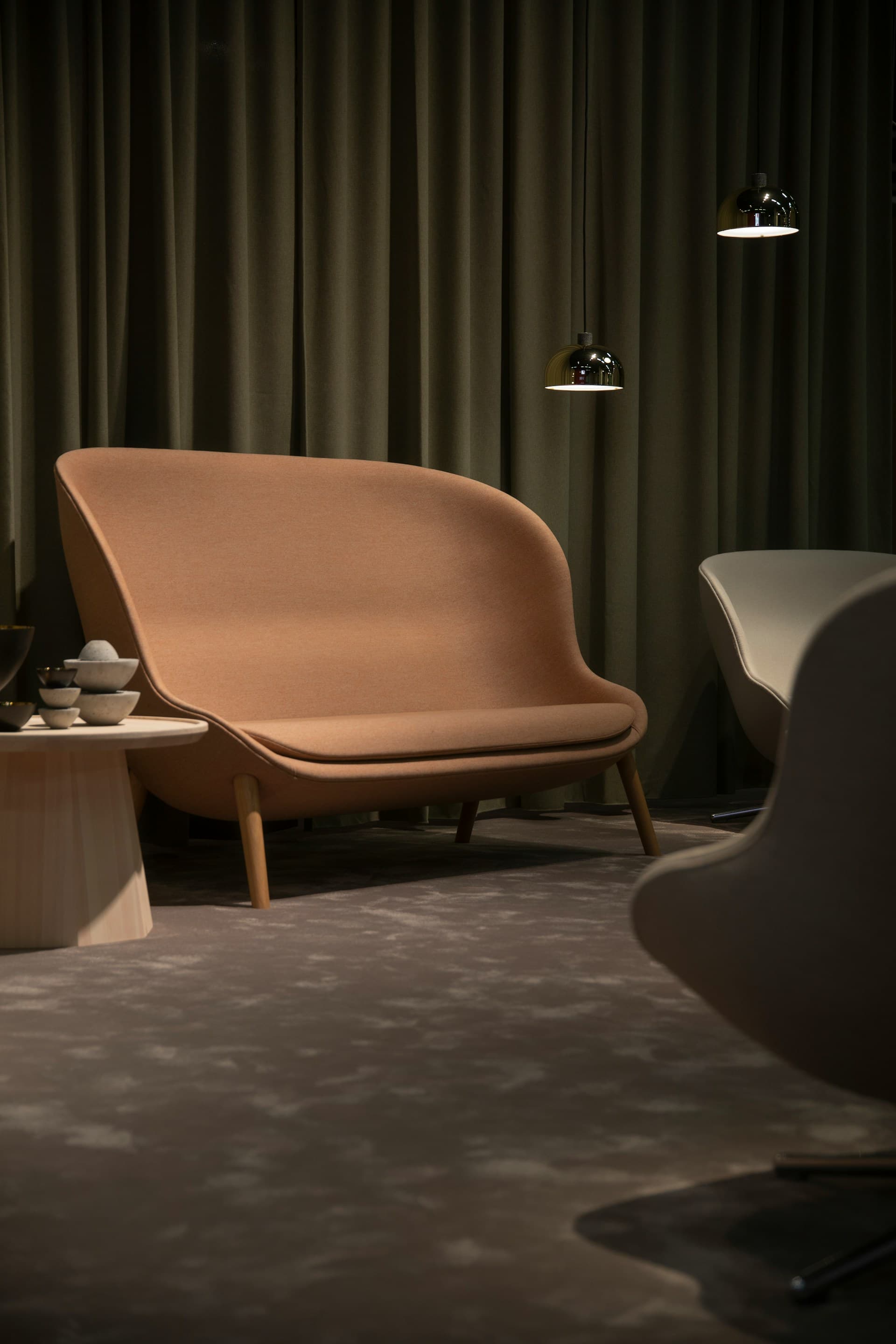
Other systems carry their own logic. Oil honours grain at the cost of surface protection. Wax builds a low sheen that rewards regular touch — the old Neapolitan workshops used to call it “living with the piece.” High-build polyurethane and catalysed lacquers put durability first and give up optical depth as the price. None of these is inherently superior to another. Each is a statement about how the piece is meant to age. Buyers who cannot read that statement are buying a silhouette and trusting the label.
The Material Vocabulary: From Bouclé to Burl
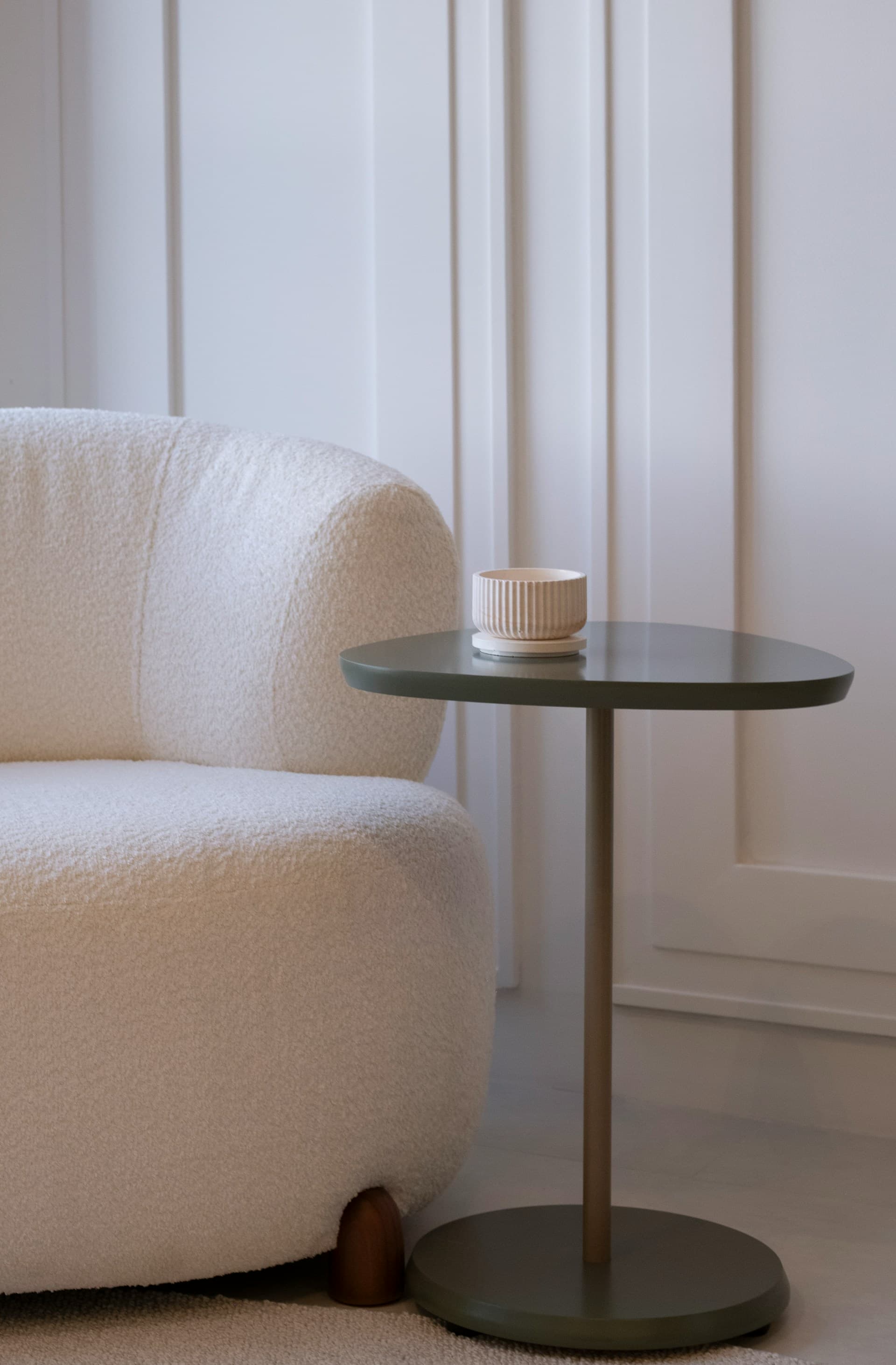
The lexicon of material finish runs deeper than most catalogues admit, and every word in it has a specific haptic signature. Take textiles on their own. Bouclé wool is a looped yarn, nubby and inviting, the texture Pierre Paulin and Eero Saarinen built reputations around. Mohair is shorter and denser, almost liquid under raking light. Cashmere and raw silk sit warm against skin in a way synthetic blends have never quite figured out. Velvet’s cut pile flips colour depending on which direction you stroke it. That is why a plain-dyed velvet sofa looks deeper than it has any right to. Full-grain leather keeps the top layer of the hide intact, freckles and scars included; if you have ever sat in a twenty-year-old Poltrona Frau armchair, that is what you were sitting in. Aniline-dyed leather stays translucent to its own grain. Corrected grain has been sanded flat, stamped with a fake pattern and sprayed with pigment. It feels slightly plastic under the fingers for exactly that reason, even though it is, technically, still cow.
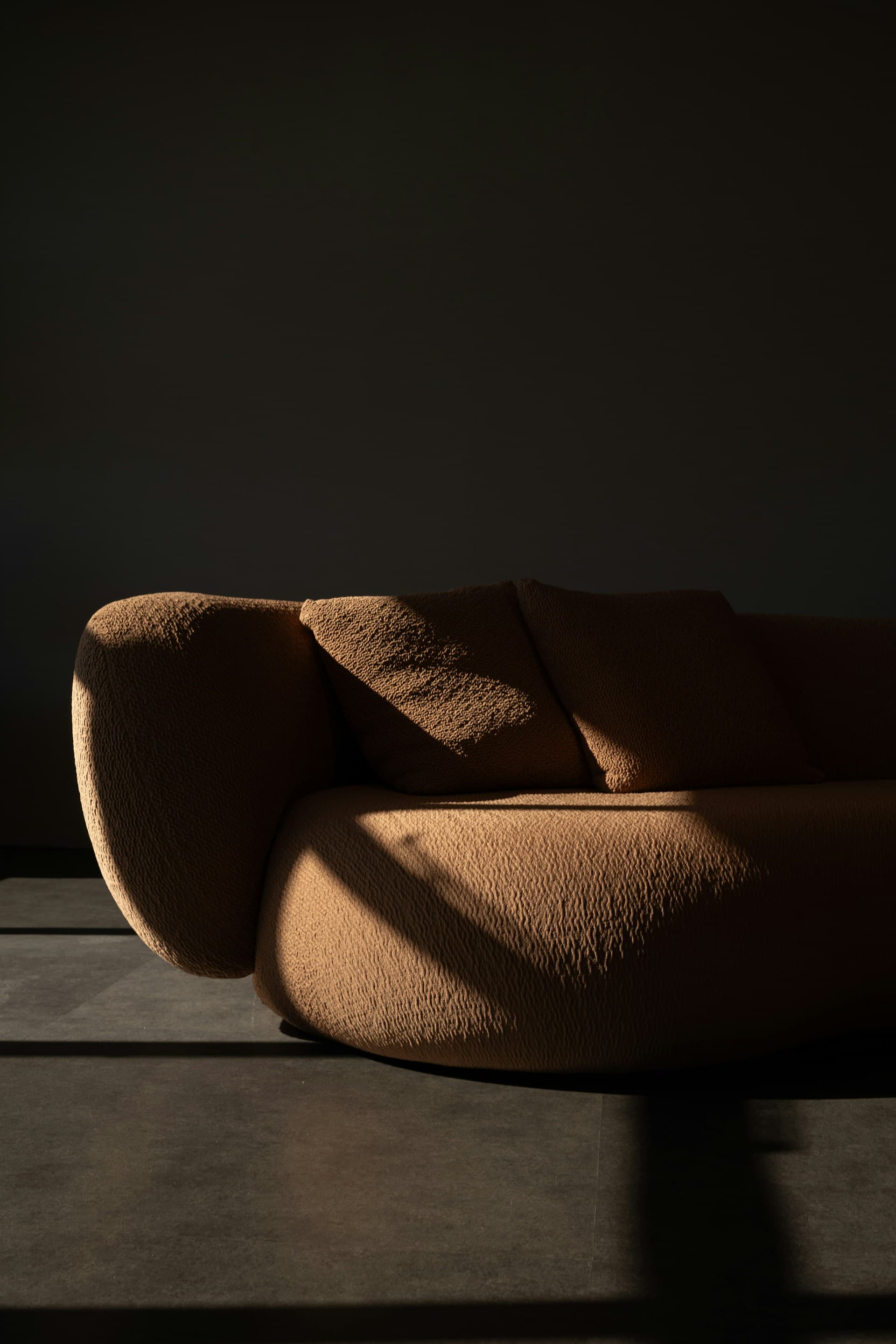
Hard materials run the same way. Walnut takes oil and darkens into chocolate territory the longer it lives. Oak is lighter, the grain more open, a completely different proposition from the start. Rosewood and Amboyna burl, the timber Rolls-Royce used on its dashboards and the better Milanese workshops still use today, carry a swirl figure that cannot really be faked, though veneer presses have been trying for years. Stone has its own dictionary. Calacatta and Carrara at the pale end, in greys and whites. Nero Marquina in a dense carbon black. Onyx translucent enough to pass lamplight. Travertine warm and pitted. Density matters almost as much as colour in how a slab actually behaves. A Calacatta slab holds the warmth of a hand for a minute or two after you have moved away. Travertine loses it almost immediately. Brass and bronze add another register. Solid brass comes in at three to four times the weight of the zinc die-cast knockoffs sharing shelf space with it. It oxidises unevenly too. Warm bronze tones pool in the recesses, and the handled edges stay polished by the owner’s own thumb. Pallasmaa put this in The Eyes of the Skin: the hand works out a material’s authenticity a few beats before the eye is willing to sign off.
How Light Changes a Finish Through the Day
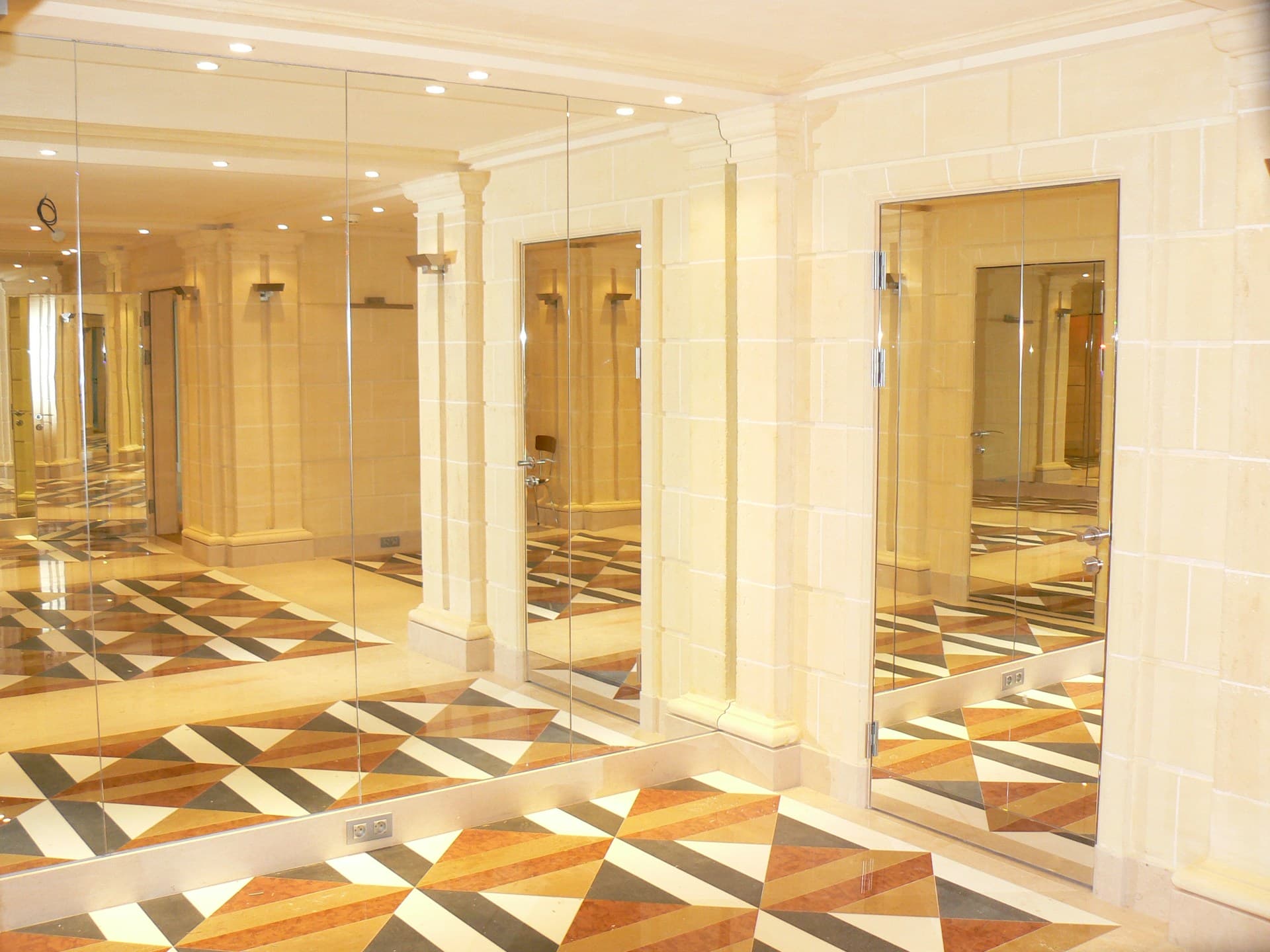
A finish is never seen alone. Half the job of reading a finish is done by the light the finish sits in, and light changes by the hour. Midday makes a matte plaster wall look chalky. Sunset makes the same wall look velvet. A high-gloss lacquer panel mirrors the ceiling at noon, then sinks into a dark puddle under evening lamps. Mass-market finishes tend to fail here because they are formulated to look consistent under the even, controllable lighting of a showroom, which is not the same thing as looking good in a domestic room as the afternoon moves across it.
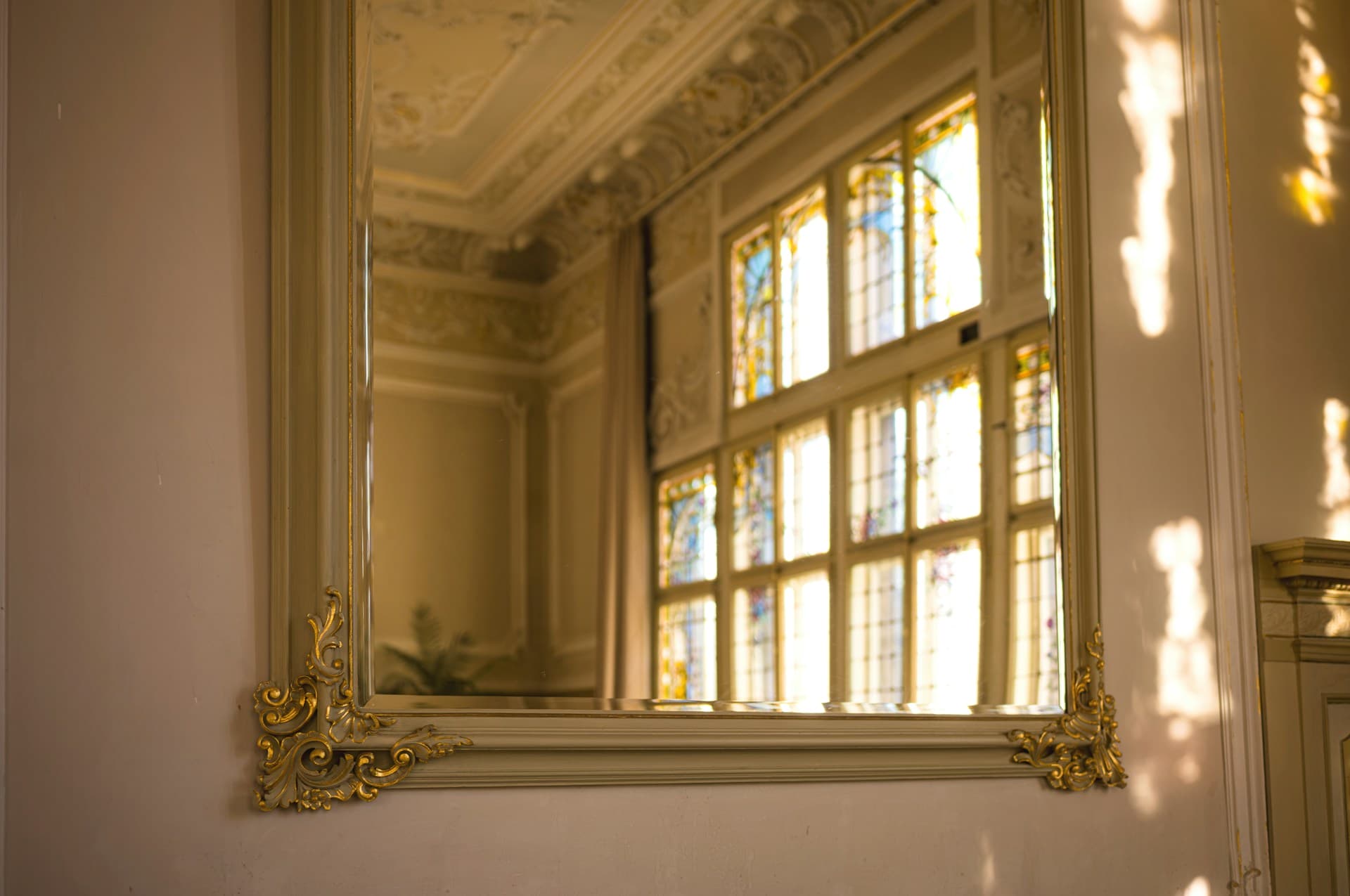
The most atmospheric private interiors of the past decade have all leaned into this, though in quite different ways. Rose Uniacke’s London rooms rely on plaster, limewash and patina with almost no gloss in sight. Over in Milan, Vincenzo De Cotiis works almost exclusively in tarnished silver and cracked brass. In Antwerp, Axel Vervoordt has spent a career on weathered wood and a nearly monastic restraint. Those surfaces make a room age well across a single evening. Oiled walnut glows faintly from within at dusk. Patinated bronze picks up a single candle at thirty feet. Limewashed walls deepen as the shadows lengthen. A piano-finish lacquer, by contrast, punches a hard reflection straight through any attempt at atmosphere.
That is part of why matte and honed surfaces have taken over the serious end of the market so quickly. Matte cabinetry, honed stone, limewash, micro-cement, ribbed timber: each of them settles comfortably into the uneven domestic light of a room someone actually lives in. At the top of the 2026 market, texture has been pushing pattern out of the way as the dominant visual register. You can see it in new collections from Cassina, Gallotti & Radice, and Edra, and in the way Milan Design Week has been framing its own coverage this year.
The Digital Paradox: Buying Luxury Through a Screen
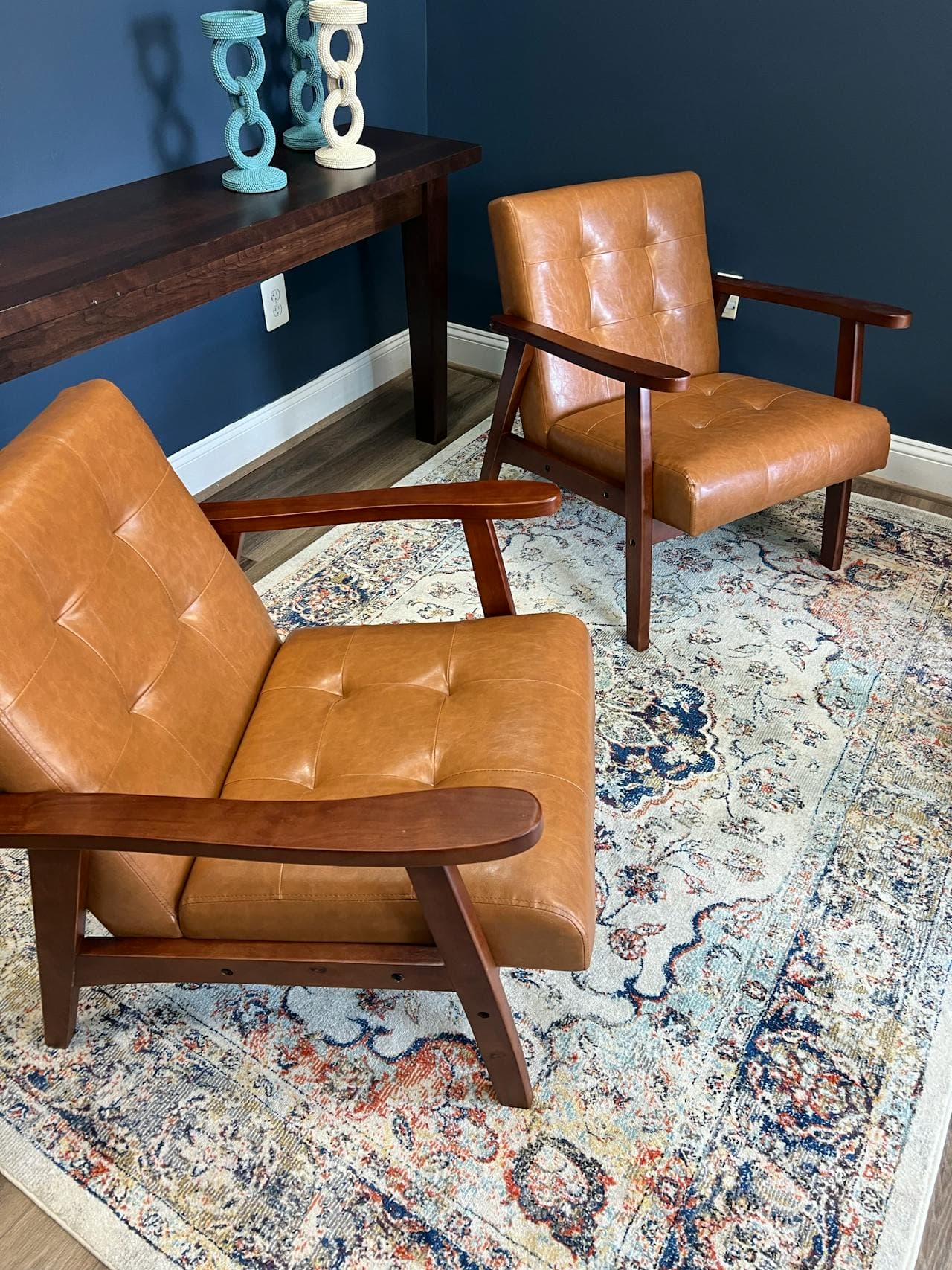
The contemporary luxury buyer runs into a genuine contradiction. Most high-end furniture purchases now begin online, on brand portals, design platforms, Instagram, Pinterest, and the screen is exactly the medium in which texture and finish lose the most information. Compressed JPEGs flatten grain. Phone displays clip the tonal range of a patinated surface. A render that has not been properly textured will show walnut burl as a brown smear and full-grain leather as painted plastic.
The gap between image and object is familiar to anyone who has ordered a sofa online. Colours shift. Softness reads differently in person. A finish that looked sumptuous on a laptop arrives reading as plastic-thin under an actual hand. The medium is not dishonest. It simply reports what a maker has bothered to capture, and until recently most makers have not bothered enough.
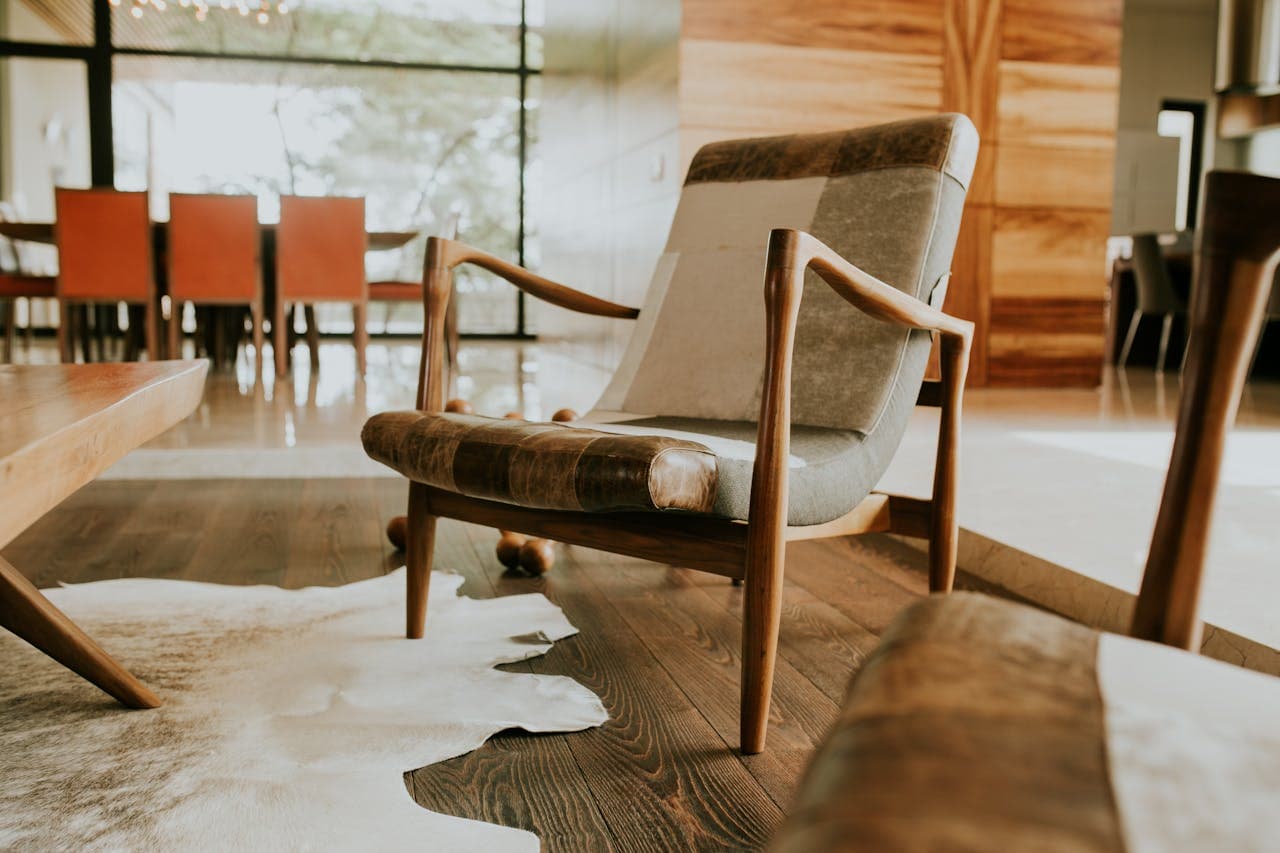
Serious houses have responded by investing heavily in what the visualisation trade calls material fidelity. Rather than photographing a finished piece under studio light and hoping for the best, they are building high-resolution digital libraries of their own woods, fabrics and metals — scanned, measured, and mapped so that a rendered surface behaves under virtual light the way the real surface behaves under daylight. Well-made 3d textures capture the cross-grain of a specific walnut flitch, the lay of a particular mohair’s nap, the oxidation signature of the exact brass alloy used in a hardware run. A studio can then test how a surface will read in situ without waiting for a physical prototype. A buyer can put finishes side by side with a precision no printed swatch book was ever going to offer.
For the buyer, the tell is what survives zooming in. A serious luxury render will show the micro-imperfections of grain, the catchlights of a waxed surface, the drape of a fabric that knows its own weight. A careless render will not. Learning to notice the difference at the research stage is the modern equivalent of learning to read a swatch in person. It also
Read more from original article, all rights reserved Why Texture and Material Finish Matter More in Luxury Furniture Than Most Buyers Realise
Leave a Reply