

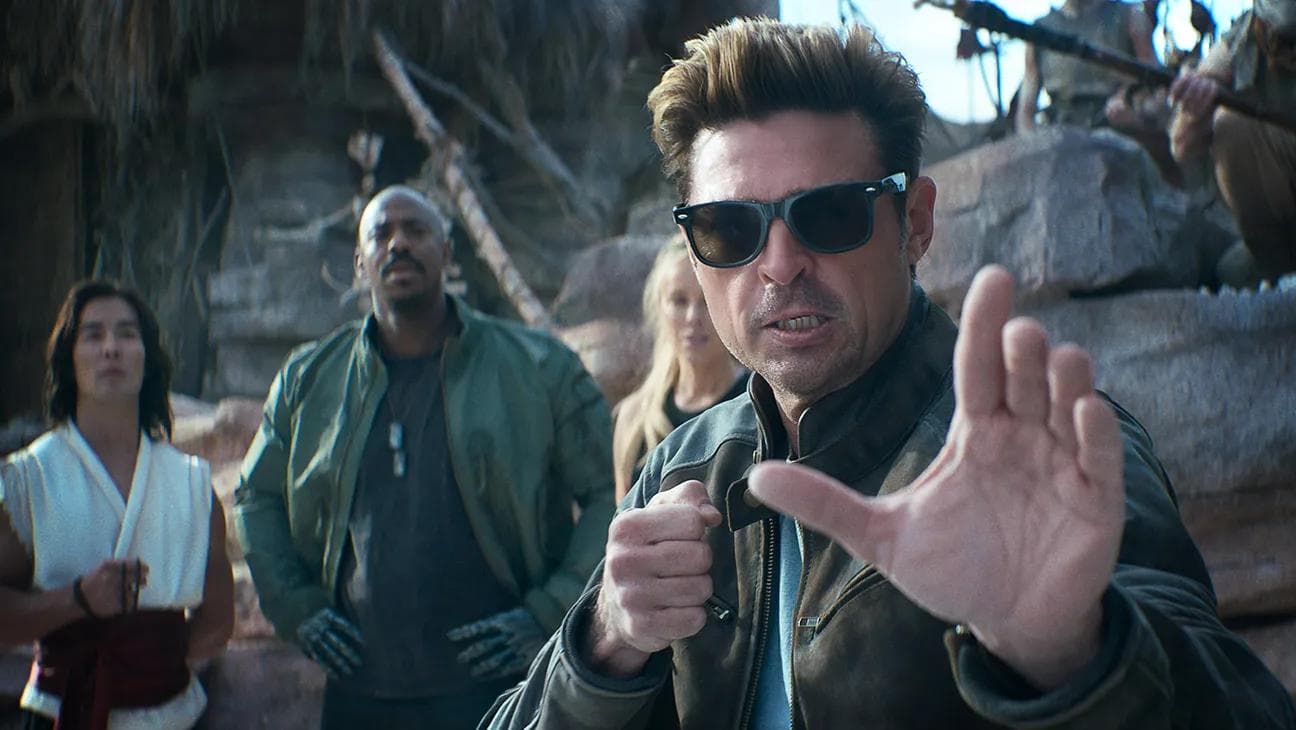
Mainstream cinema no longer shapes cultural conversations in the way it once did. Instead, mainstream cinema increasingly recycles familiar intellectual property, while riskier or more socially observant storytelling migrates toward television, limited series and prestige streaming. While films once acted as major sites of cultural commentary and social reflection, the resurgence of sequels, biopics and remakes reflects a film industry increasingly driven by cultural familiarity and commercial safety. While attending a screening of The Devil Wears Prada, the previews of upcoming movies included Mortal Kombat II, The Mandalorian & Grogu and Dune: Part Three, showcasing not only Hollywood’s reliance on action blockbusters but blockbusters that we as viewers are all too familiar with.
The Cultural Relevance of Cinema
Movies and cinema are no longer the dominant cultural medium. Culture is now fragmented, audiences are niche and attention spans are divided. Traditional movies compete with a plethora of digital streaming services, including Netflix, Amazon Prime Video, Disney+ and Apple TV+ alongside YouTube. In an era of fragmented attention, cinematic familiarity has become one of Hollywood’s most valuable commodities.
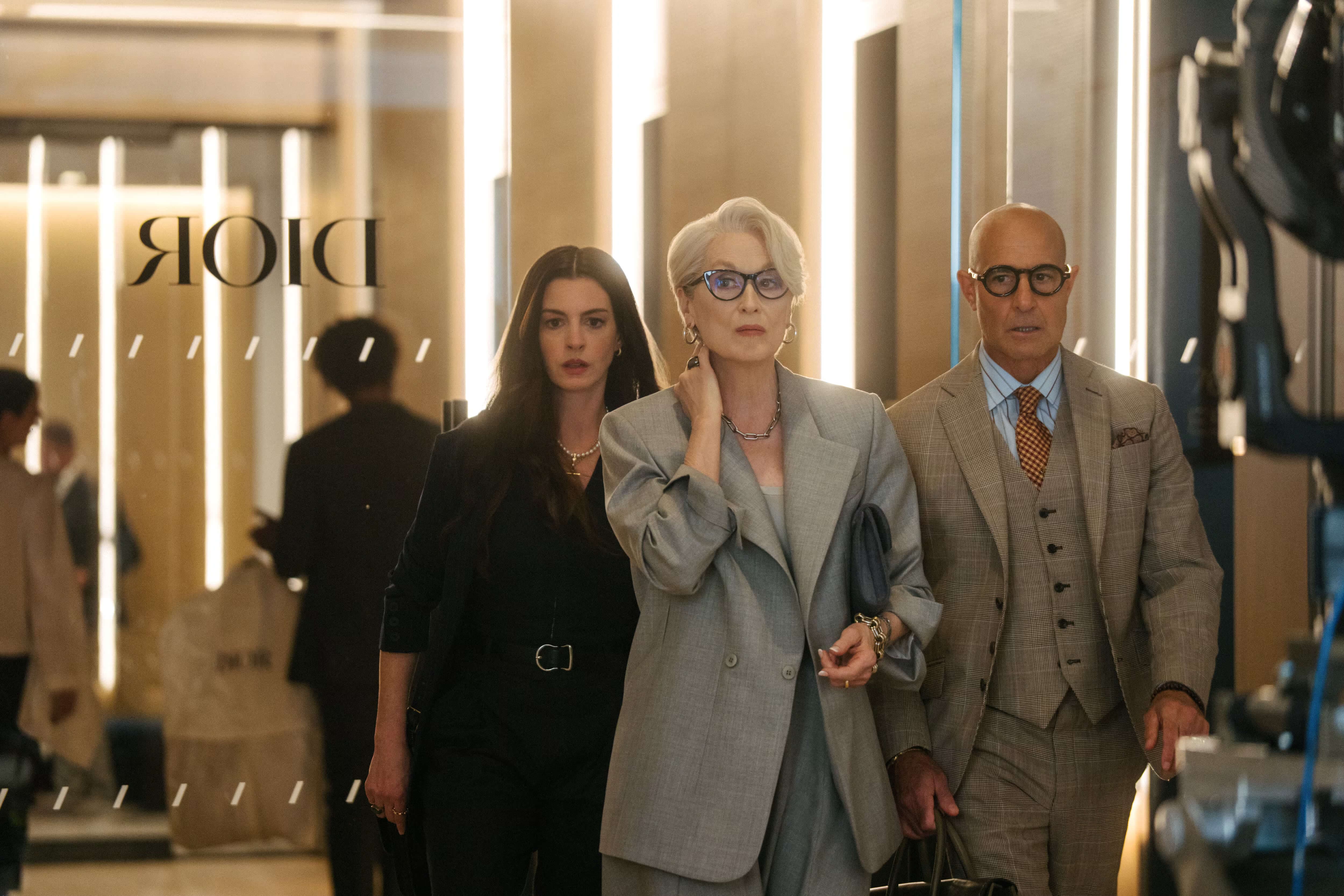
Film used to define aspirational culture. For example, the original Devil Wears Prada premiered in 2006 and shaped a culture of fashion aspirations, media fantasy and luxury consumption to an extent. Today’s fashion culture is decentralised, influencer-led and algorithmically driven. The original film arrived during the height of glossy magazine authority, when fashion media still functioned as a gatekeeper of aspiration. Today, that ecosystem has changed.
The success of sequels is dependent on new cultural observations rather than cultural recycling. Sequels work when they evolve cultural observation rather than repeat nostalgia. They need to push the conversation further. The Devil Wears Prada originally succeeded because it reflected a specific cultural moment. While the themes of the fashion industry that the movie first discussed has evolved since 2006, the sequel was also able to revisit already established worlds and hone in on the evolution in 2026 as opposed to simply recycling the same observation.

The Rise of Hollywood’s “Safe Genres”
Hollywood’s increasing reliance on what might be termed “safe genres” reflects an industry structured around minimising uncertainty at a time of heightened cultural scrutiny. Biopics, horror franchises and live-action remakes dominate release slates because they offer built-in narratives, recognisable intellectual property and, in many cases, established global fanbases. Biopics arrive pre-packaged with cultural awareness through their real-life subjects, horror franchises such as Scream benefit from (relatively) low production ri
Read more from original article, all rights reserved Opinion: Death of the Cultural Blockbuster
Leave a Reply